
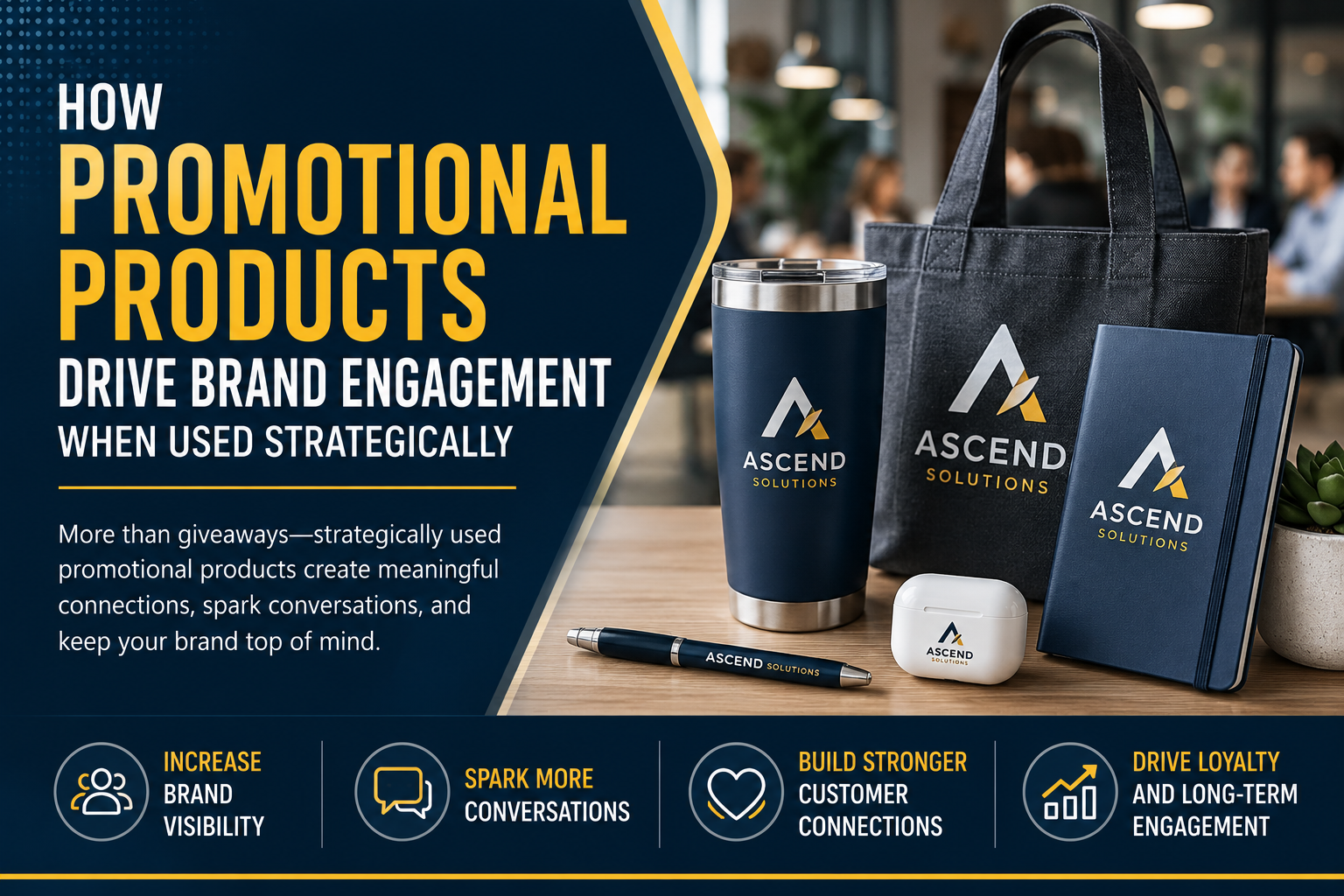
Promotional products have long been recognized as one of the most effective forms of marketing. Unlike many advertising channels, branded merchandise creates physical experiences that connect people to a brand.
But the true power of promotional products emerges when they are used strategically rather than casually.
Too often, merchandise is selected simply because it is available or inexpensive. While these items may still generate exposure, they rarely create lasting impressions. Strategic promotional product programs begin with a deeper understanding of the audience and the intended outcome.
For example, an employee recognition program should focus on items that reinforce appreciation and belonging. The goal is to create a sense of pride when the employee receives the product. In contrast, a conference giveaway may focus on memorability and usefulness, ensuring the attendee continues interacting with the brand long after the event ends.
The most effective distributors help their clients think through these differences. They guide conversations about how merchandise will be experienced by the recipient. Will the item be used daily? Will it represent a milestone or achievement? Will it connect to a broader marketing campaign?
When promotional products align with a clear objective, their impact increases dramatically. A well-designed onboarding kit can make a new employee feel welcomed and valued. A thoughtful event item can create a sense of excitement among attendees. A meaningful recognition gift can strengthen loyalty within a team.
Another advantage of strategic merchandise programs is longevity. Digital advertisements disappear quickly, but physical products often remain in use for months or even years. Every interaction with the item becomes a reminder of the brand and the experience associated with it.
For companies looking to strengthen their brand relationships, promotional products offer a unique opportunity. When used thoughtfully, they do far more than display a logo—they create lasting connections between organizations and the people they serve.